Omega Seiki and ELECTRA AI: How Battery Intelligence Is Reshaping India's EV Resale and Financing LandscapeEVXpertz: Building India's EV Service Backbone## Introduction: A Shift in India's EV Policy Focus
Between August 15 and 22, 2026, India's electric mobility policy landscape saw significant activity across vehicle conversion, domestic component manufacturing, policy accountability, and electric public transport. The most notable development came from Telangana, which approved a ₹200 crore programme to electrify 18,766 petrol and diesel auto-rickshaws. This move is a departure from typical state EV policies that focus solely on incentivizing new EV purchases. Instead, Telangana is directly targeting the existing internal combustion engine (ICE) vehicle population, potentially creating a model for other states to accelerate the transition of commercial fleets.
Telangana's Auto-Rickshaw Electrification Scheme: Key Details
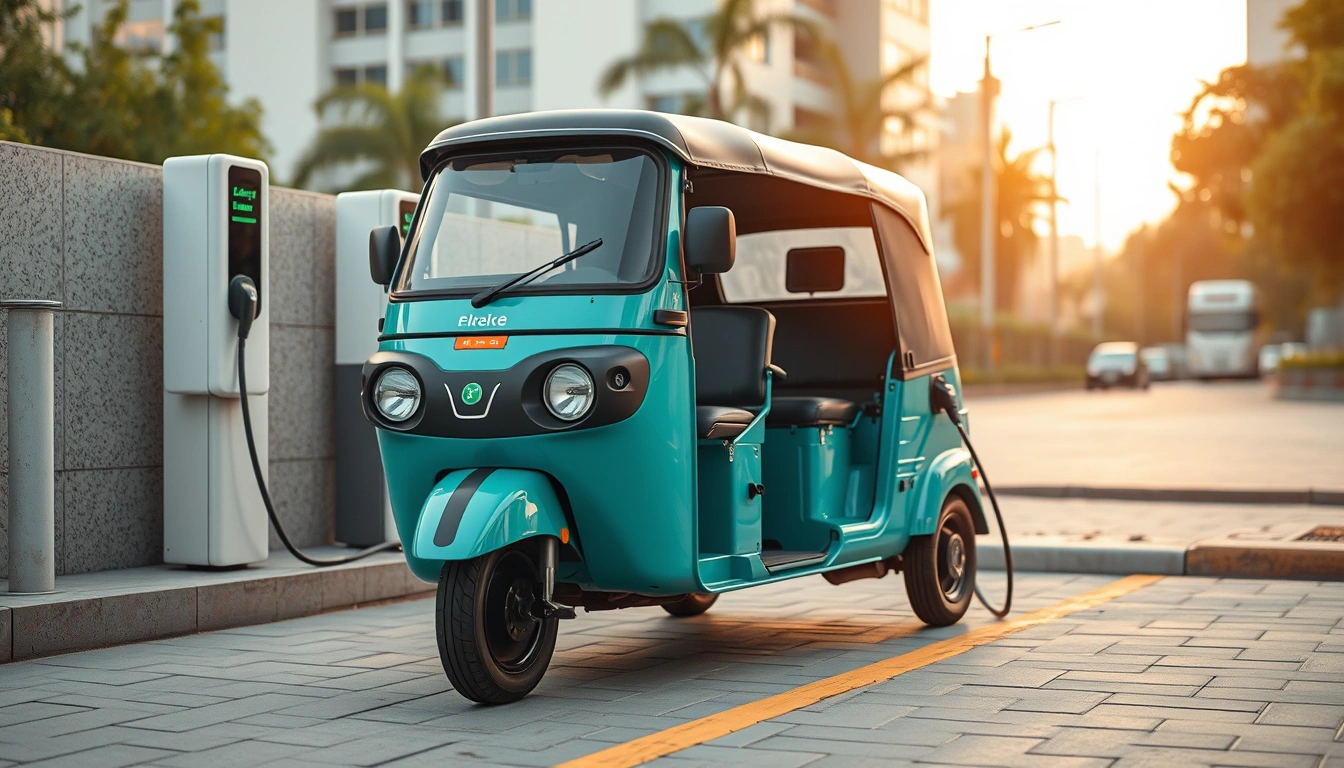
The Telangana Auto Rickshaw Electric Conversion Scheme 2026, as it is officially known, targets auto-rickshaws operating within Hyderabad's Core Urban Region Economy (CURE). The government has earmarked a budget of ₹200 crore for the programme, covering 18,766 eligible vehicles—11,254 diesel and 7,512 petrol. Eligible owners can receive financial assistance of up to ₹1.50 lakh per vehicle.
What makes this scheme particularly interesting is its dual-pathway approach. Operators can either retrofit their existing auto-rickshaw with an approved electric conversion system or replace the ICE vehicle with a new factory-built electric three-wheeler. This flexibility acknowledges the diverse financial situations of auto-rickshaw owners, many of whom may not be able to afford a brand-new EV without additional support.
Why This Scheme Matters: Retrofitting vs. Replacement
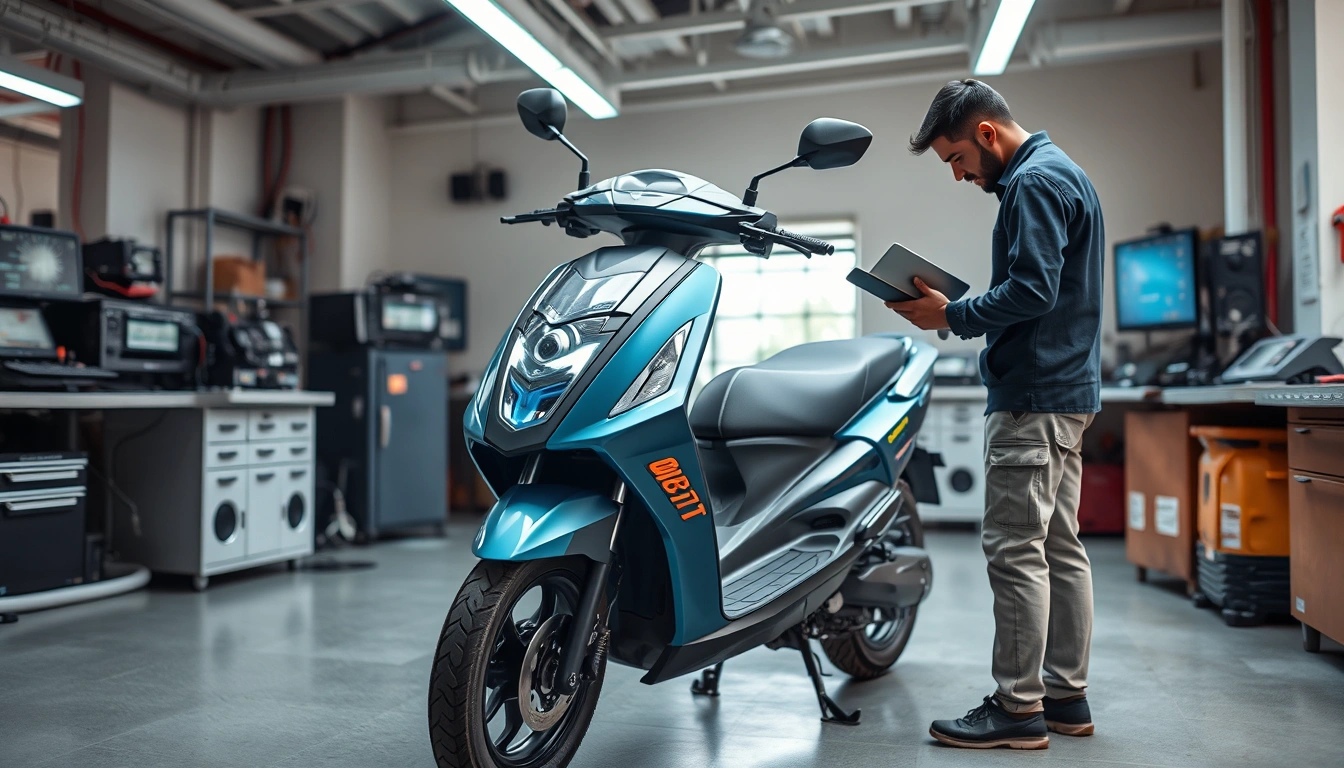
The scheme's emphasis on retrofitting is a strategic move. Retrofitting allows owners to preserve their investment in the existing vehicle, which is often a significant asset for their livelihood. It also offers a faster route to electrification than waiting for natural fleet turnover, which could take years. However, retrofitting comes with its own set of challenges, including battery integration, safety standards, and performance reliability. Replacement, on the other hand, ensures better warranty and reliability but at a higher upfront cost, even with the subsidy.
By offering both options, Telangana is betting that a significant portion of owners will choose retrofitting, thereby creating a market for conversion kits and supporting the growth of the retrofitting industry in India. This could lead to cost reductions and technological improvements over time, making retrofitting a more viable option for other states.
Broader Policy Context: Central and State Initiatives
Telangana's scheme is not an isolated development. The central government, through the Ministry of Electronics and Information Technology, approved 31 additional projects under the Electronics Components Manufacturing Scheme (ECMS), including strategically important battery materials. This move is part of a broader push to localize EV component manufacturing, reducing dependence on imports and strengthening the domestic supply chain.
However, the week also saw a Comptroller and Auditor General (CAG) audit raising questions over the implementation of the Faster Adoption and Manufacturing of Hybrid and Electric Vehicles (FAME) scheme. While the specific findings are not yet public, the audit underscores the need for policy accountability and efficient use of public funds. It also highlights the importance of state-level initiatives like Telangana's, which can complement central schemes and address local needs more directly.
In parallel, Rajasthan continued to deploy government-backed electric buses, signaling momentum in electric public transport. These developments collectively indicate a multi-pronged approach to EV adoption in India, involving both central and state governments.
Challenges and Opportunities for Scaling Up
While Telangana's scheme is commendable, its success hinges on execution. Key challenges include ensuring the availability of approved conversion kits, establishing adequate service infrastructure for retrofitted vehicles, and managing the disposal of ICE components in an environmentally responsible manner. Additionally, there is the question of whether the ₹1.50 lakh subsidy is sufficient to incentivize owners, especially those with older vehicles that may require more extensive modifications.
If Telangana can overcome these hurdles, the scheme could serve as a blueprint for other states. India has a vast population of auto-rickshaws, and electrifying them is crucial for improving air quality in urban areas. A successful model could accelerate the transition of commercial fleets across the country, contributing to the national goal of reducing carbon emissions.
Moreover, the scheme's focus on retrofitting could spur innovation in the conversion kit market, leading to more affordable and reliable solutions. This, in turn, could make retrofitting an attractive option for other vehicle categories, such as taxis and light commercial vehicles.
Conclusion: A Policy Experiment Worth Watching
Telangana's auto-rickshaw electrification scheme is a bold experiment that directly targets the existing ICE vehicle population. By offering both retrofitting and replacement options, it provides a flexible framework that could be replicated elsewhere. The scheme's success will depend on implementation details, stakeholder buy-in, and the ability to overcome technical and financial hurdles. If successful, it could reshape how Indian cities approach EV adoption in the commercial segment, setting a precedent for other states to follow.
As the central government continues to push for local manufacturing and states like Rajasthan expand electric public transport, Telangana's initiative adds a crucial piece to the puzzle. It demonstrates that electrification is not just about new vehicles but also about transforming the existing fleet. This is a policy experiment worth watching closely.
Frequently Asked Questions
What is the Telangana Auto Rickshaw Electric Conversion Scheme 2026?
The scheme is a ₹200 crore programme approved by the Telangana government to electrify 18,766 petrol and diesel auto-rickshaws operating in Hyderabad's Core Urban Region Economy (CURE). It offers financial assistance of up to ₹1.50 lakh per vehicle for retrofitting or replacement.
How many auto-rickshaws are targeted under the scheme?
The scheme targets 18,766 auto-rickshaws, comprising 11,254 diesel and 7,512 petrol vehicles.
What are the two pathways for auto-rickshaw owners under the scheme?
Owners can either retrofit their existing vehicle with an approved electric conversion system or replace it with a new factory-built electric three-wheeler.
What is the significance of the scheme for India's EV ecosystem?
The scheme directly targets the existing ICE vehicle population, offering a faster route to electrification than waiting for natural fleet turnover. It also supports the growth of the retrofitting industry and could serve as a model for other states.
What other EV policy developments occurred during the same week?
The Centre approved 31 additional projects under the Electronics Components Manufacturing Scheme, a CAG audit raised questions over FAME implementation, and Rajasthan continued deploying government-backed electric buses.